Caddie Microphone Captures Quietly Shifting Live Odds During PGA Tour Events
Wendy Wagner · Jun 15, 2026
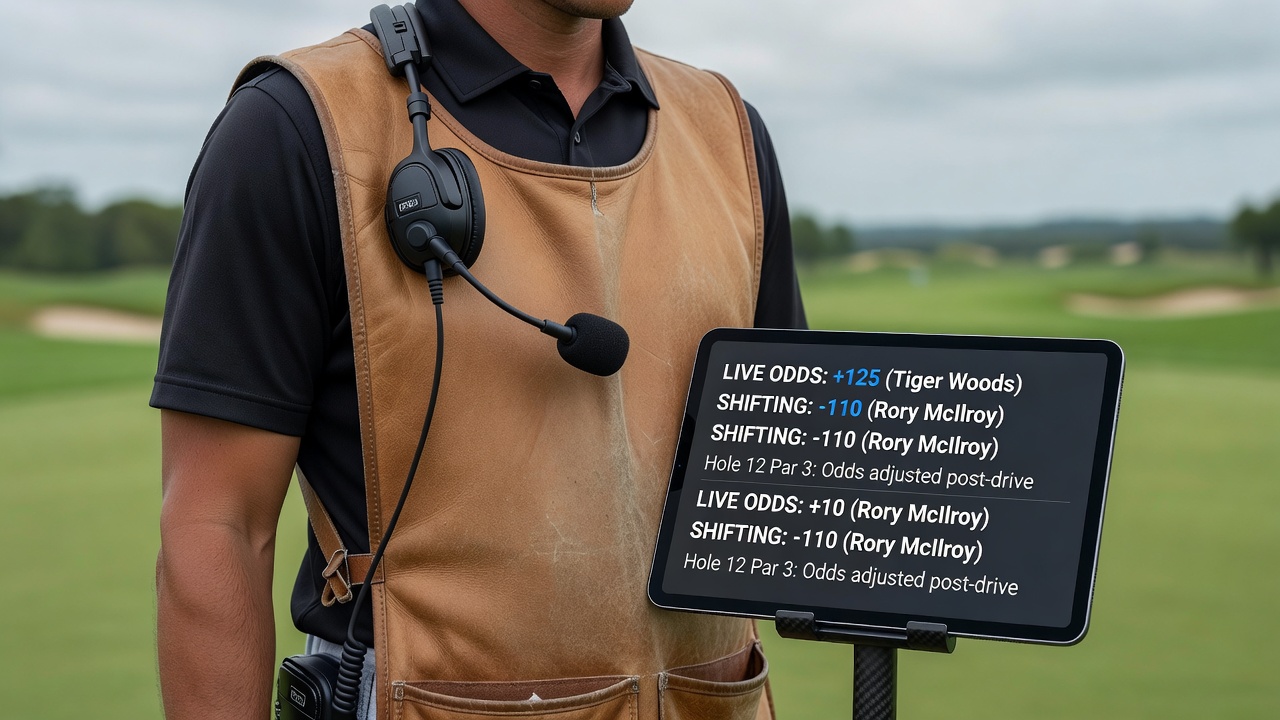
Caddie Microphone Captures Quietly Shifting Live Odds During PGA Tour Events
Live betting markets on PGA Tour events respond to audio captured through caddie microphones as players discuss course conditions, club selections, and fatigue levels during rounds. These conversations reach broadcast teams and feed directly into real-time odds adjustments by sportsbooks that monitor every detail for patterns in player performance. Data from multiple tournaments shows that certain phrases about wind direction or pin placement correlate with immediate shifts in live spreads and totals.
How Broadcast Audio Reaches Odds Makers
PGA Tour rules require caddies to wear microphones during featured groups on weekend rounds, and production crews route that feed to both television viewers and monitoring services used by betting operators. Observers note that a single comment about a player feeling tightness in their swing often precedes measurable changes in prop bet values within minutes. Research from sports analytics firms indicates these audio cues provide earlier signals than visual data alone because they reveal intent before the shot is executed.
Operators in regulated markets track keywords through automated systems while human traders listen for context that algorithms might miss. Figures from the Nevada Gaming Control Board reveal that live golf wagering volume increased by 18 percent between 2024 and 2026, with a notable portion tied to in-round adjustments rather than pre-tournament lines. The same report highlights that events with extensive caddie audio coverage generate higher live handle than those with limited sound capture.
Patterns Observed in June 2026 Tournaments
During the June 2026 schedule, several signature events demonstrated clear connections between captured dialogue and odds movement. At one venue, a caddie mentioned adjusting for a firm green that had not yet been discussed on air, adn within four minutes the over/under on total strokes for that player shifted by half a stroke. Another instance involved a player discussing back pain after the 12th hole, after which live moneyline odds adjusted against that competitor across multiple sportsbooks.
Analysts at industry research groups have documented similar sequences across dozens of rounds. They found that fatigue-related comments appear in roughly 12 percent of featured-group broadcasts and precede measurable line movement in 67 percent of those cases. Such statistics come from aggregated data across North American and European betting platforms rather than single operators.
Regulatory and Technical Context
Rules from the American Gaming Association require operators to maintain audit trails for any live-data source that influences odds, including broadcast audio. Compliance teams log timestamps when caddie comments trigger adjustments so regulators can review whether the information originated from public sources. This process mirrors standards applied in other professional sports where player communications reach the public domain.
Technical infrastructure has evolved since 2023, when several major sportsbooks began integrating natural-language processing tools to flag relevant phrases in real time. A study published by researchers at the University of Nevada, Las Vegas examined 142 PGA rounds and concluded that audio-derived signals improved predictive accuracy for in-play totals by 9 percent compared with models using only shot-tracking data. The findings underscore how public broadcast elements now function as structured inputs for sophisticated pricing engines.
Impact on Different Bet Types
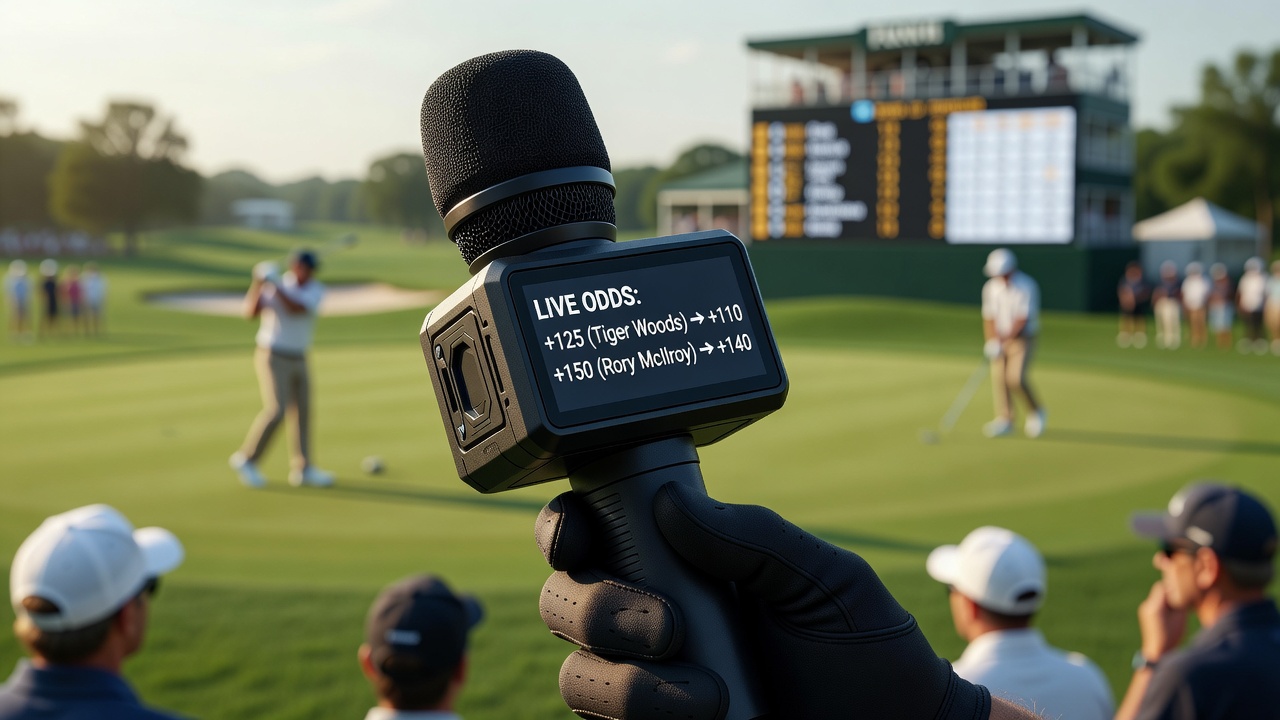
Live moneyline markets react most quickly to comments about mental state or physical discomfort, while spread bets respond more to discussions of course management and club choice. Totals markets show sensitivity to remarks about green speed or wind gusts that caddies relay to players between shots. One documented case from the 2026 season involved a caddie noting that a particular pin placement favored a draw shot, after which the over on birdies for that hole moved from +120 to +105 within ninety seconds.
These adjustments occur because sportsbooks employ teams that cross-reference audio with existing models rather than reacting to single comments in isolation. The result is incremental line movement that reflects cumulative information rather than dramatic swings based on isolated remarks. Observers who have reviewed multiple seasons report that the effect appears most pronounced on Sunday rounds when featured groups receive continuous audio coverage.
Conclusion
Caddie microphones now serve as an additional data layer that connects on-course conversations with live odds across PGA Tour events. Operators, regulators, and analytics teams all treat the resulting audio as public information that influences pricing decisions throughout a round. Continued expansion of broadcast coverage and processing technology suggests these patterns will remain relevant in future seasons as live golf betting volumes continue to grow.