20 May 2026
Deciphering Referee Assignment Patterns That Quietly Reshape Live Prop Bet Values Across NBA Playoff Series
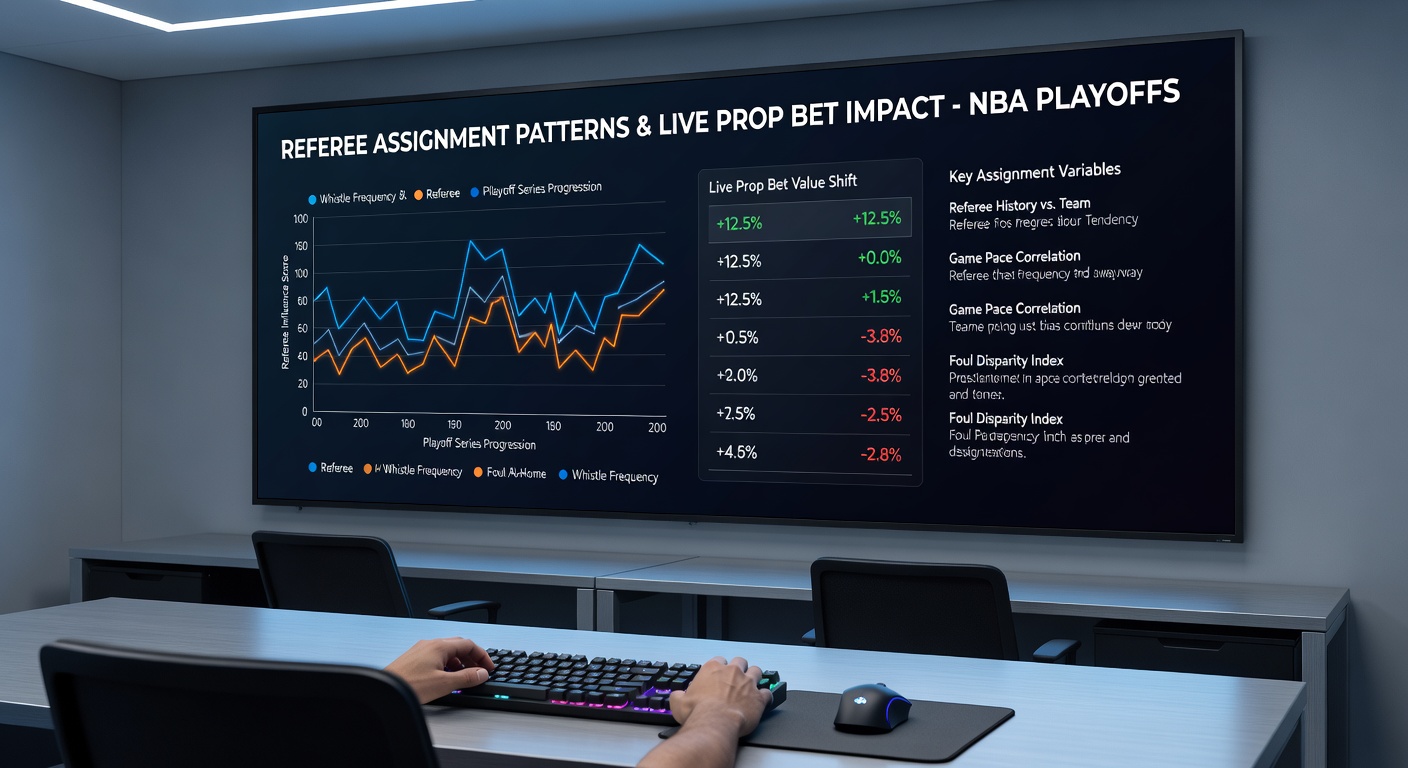
Referee assignments in NBA playoff series follow structured rotation systems that data analysts track closely, and these patterns produce measurable shifts in foul rates and game flow that directly alter live prop bet values for player points, rebounds, and assists. Observers note how certain officials maintain higher foul-per-minute averages during postseason games, which creates over or under opportunities on individual player props when assignments become public before tip-off.
How Playoff Referee Rotations Develop
NBA playoff referee crews rotate based on performance evaluations and series length, with the league office releasing updated assignments each round. Data indicates that crews featuring officials with elevated foul-calling histories tend to increase total fouls by 8 to 12 percent compared with regular-season averages, and this elevation often surfaces in the first quarter when live prop markets adjust rapidly. Those who monitor assignment releases through official channels can identify these tendencies early, allowing positions on props such as player fouls committed or free-throw attempts to be taken before lines move.
During May 2026, multiple Western Conference semifinal series showcased this effect when crews with documented higher whistle rates were assigned to high-pace teams. Live betting platforms recorded immediate shifts in prop lines for star players known to draw contact, with over lines on free-throw attempts climbing within minutes of crew announcements.
Statistical Tendencies That Affect Prop Markets
Referee-specific metrics reveal consistent differences across foul types. Some officials issue more defensive three-second violations and loose-ball fouls, while others focus calls on hand-checking and off-ball contact. These variations reshape live prop values for categories like assists and turnovers because stricter enforcement changes how teams navigate screens and switches. Research from university sports analytics programs shows that player prop overs on points rise when referees with lower foul thresholds handle games involving perimeter scorers who rely on drives.
Betting exchanges and sportsbooks incorporate these patterns into their live odds engines, yet the adjustments occur gradually enough that informed observers still locate value. Figures reveal that props tied to rebounding totals experience smaller movements because rebound opportunities depend less on whistle frequency and more on positioning, whereas foul-related props react sharply once assignments circulate.
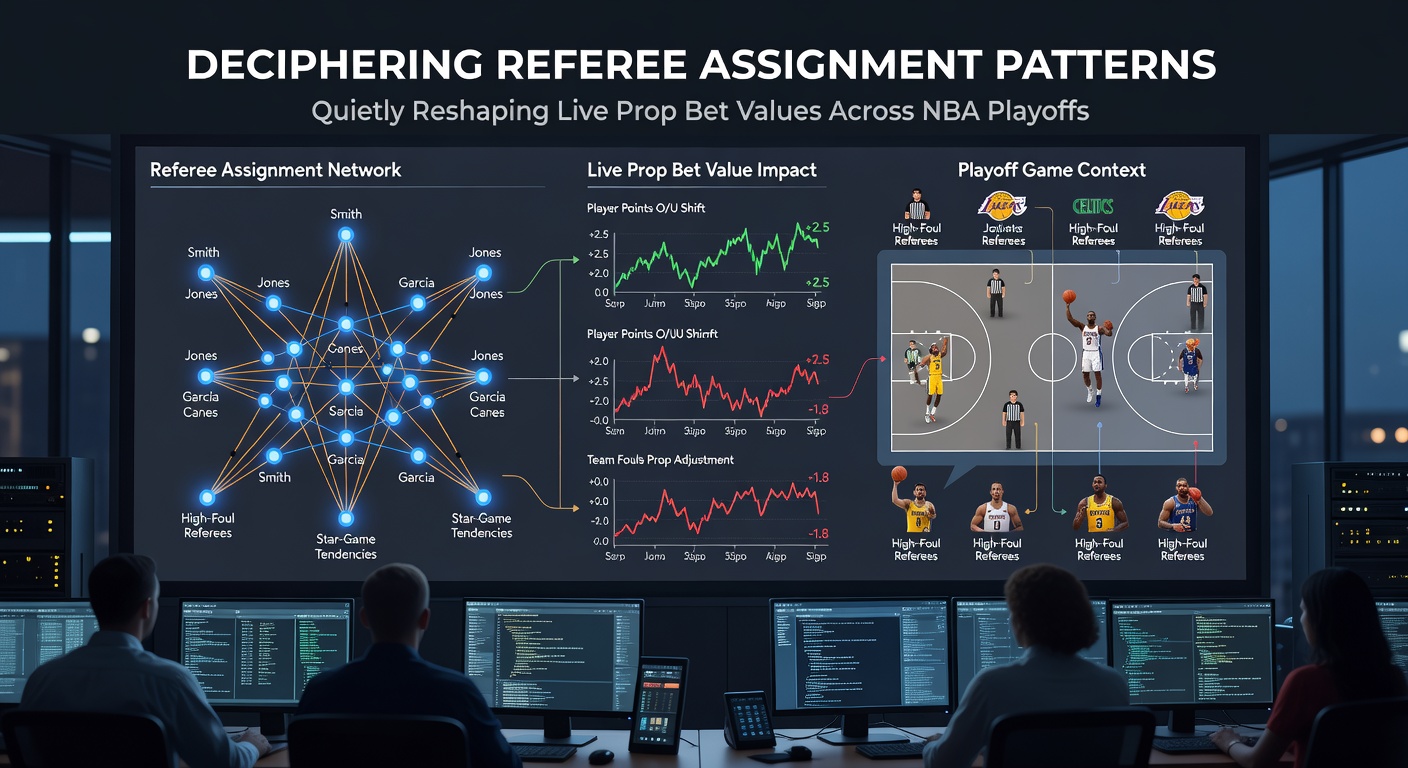
Live Market Reactions During Series Play
Once a series progresses, repeat matchups between teh same crews and teams allow patterns to compound. Data shows that when a crew returns for games three and four, the initial spike in fouls sometimes moderates as players adapt, yet certain prop categories such as technical fouls and flagrant foul attempts remain elevated. Live prop bettors who track these second-game adjustments often find under lines on player fouls become attractive after the first contest establishes the crew's baseline.
External factors like travel schedules and back-to-back situations interact with referee tendencies as well. When a crew known for quick whistles works a game following heavy travel, the combination tends to amplify foul totals further, pushing live lines on related props. Analysts at institutions such as the MIT Sloan Sports Analytics Conference have documented similar interactions in postseason datasets, confirming that referee history combined with team fatigue produces predictable deviations from baseline expectations.
Tools and Data Sources for Pattern Recognition
Public databases compile referee game logs that list fouls called per 48 minutes, along with breakdowns by call type and player position. These records enable comparison across regular-season and playoff contexts, highlighting officials whose postseason approach diverges from their regular-season profile. Industry reports from regulatory bodies including the Nevada Gaming Control Board track aggregate betting handle on NBA props, showing increased volume on foul-related wagers once playoff assignments stabilize.
Third-party tracking services provide real-time updates on crew changes due to illness or league decisions, which prevents markets from fully pricing in new information before tip-off. Observers who combine these updates with historical crew data identify windows where live prop values lag behind actual tendencies, particularly in middle quarters when adjustments occur most frequently.
Conclusion
Referee assignment patterns in NBA playoff series generate measurable, recurring effects on live prop bet values through differences in foul rates and enforcement styles. Data from multiple seasons demonstrates that early identification of these patterns allows markets to be evaluated against documented tendencies rather than season-long averages alone. As playoff rounds advance into May 2026 and beyond, continued collection of crew-specific statistics will keep these relationships visible to those monitoring assignments alongside game logs and betting movement.