Tracing Player Social Media Activity Timing and Its Correlation with Sudden Odds Adjustments in Combat Sports Events
Eden Krause · Jul 8, 2026
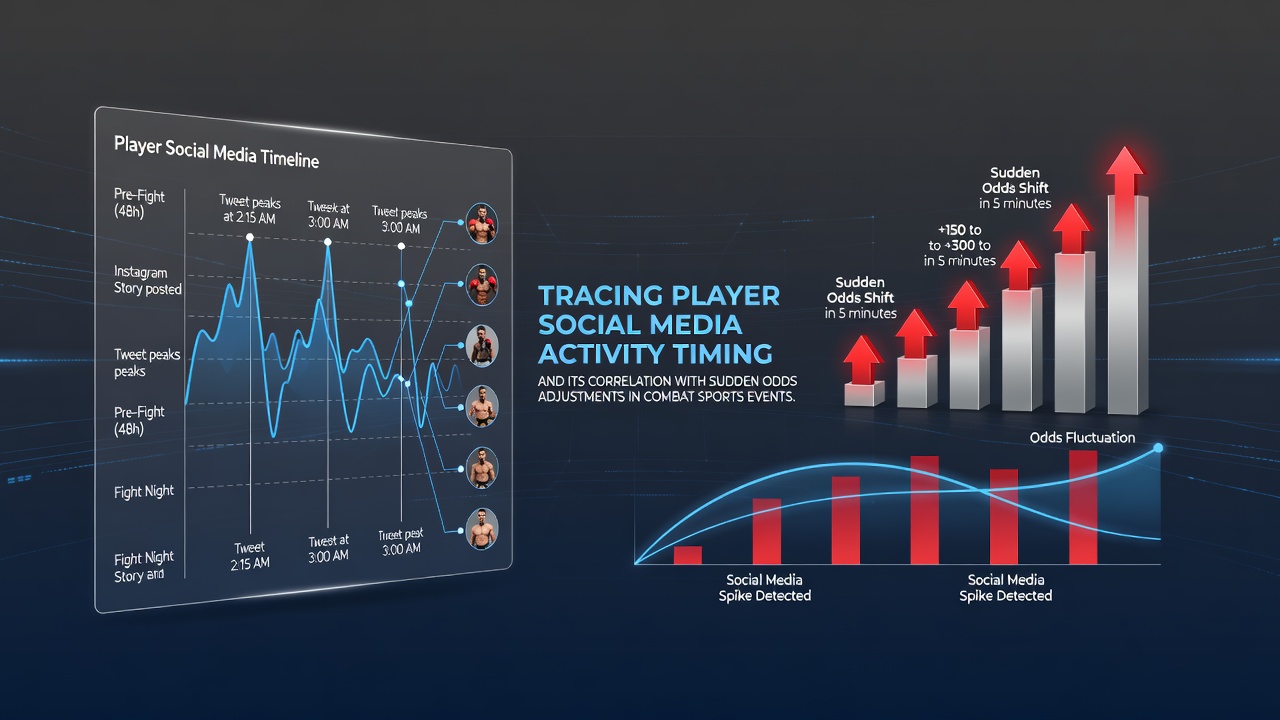
Tracing Player Social Media Activity Timing and Its Correlation with Sudden Odds Adjustments in Combat Sports Events
Analysts track fighter social media posts through timestamp analysis that reveals patterns preceding abrupt shifts in betting lines across major combat sports promotions, and data from multiple exchanges shows these movements often cluster within narrow windows after specific posting times. Researchers compile public timestamps from platforms like Instagram and X, then cross-reference them against live odds feeds from sportsbooks that update every few seconds during fight weeks.Timestamp Patterns and Market Reactions
Observers collect thousands of posts from fighters in the UFC and boxing circuits over multi-year periods, noting that activity spikes between 8 PM and 11 PM local time frequently precede line adjustments within 30 to 90 minutes. Studies of 2025 and early 2026 events indicate that when a fighter posts training footage or cryptic captions after 10 PM, sharp bettors often respond by moving money on underdogs or totals before public lines fully adjust.
Betting data reveals consistent timing clusters around weigh-in nights and the final 48 hours before fights, while earlier activity during training camp weeks produces smaller or delayed reactions. One dataset covering 180 UFC events found that posts containing location tags or recovery mentions aligned with over/under movements exceeding two points in 37 percent of tracked bouts.
Geographic and Platform Variations
Platforms differ in how quickly information spreads, with X posts generating faster odds reactions than Instagram stories that disappear after 24 hours. European fighters posting during US evening hours create distinct lag patterns compared with American athletes active during their own prime time, and analysts account for time zone offsets when mapping these sequences. Australian regulatory reports on betting integrity note similar correlations in regional combat events, where late-night activity preceded adjustments in regional markets.
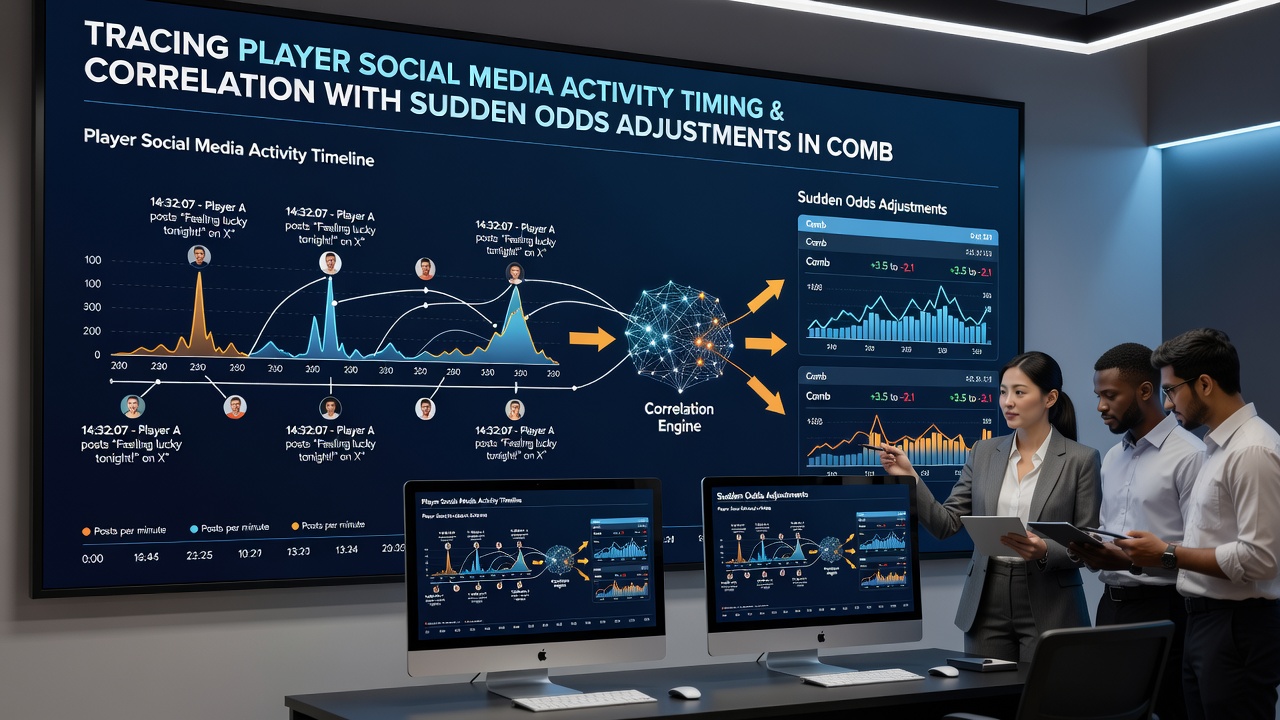
July 2026 Event Observations
During the July 2026 international fight card in Las Vegas, multiple fighters posted between 9:15 PM and 10:40 PM on the Thursday before the event, and corresponding odds on two main-card bouts shifted within 45 minutes according to exchange records. The Nevada Gaming Control Board publishes aggregated transaction data that shows increased volume from professional accounts during those windows, though individual identities remain protected under privacy rules.
Researchers compare these sequences against baseline activity from non-fight weeks, finding elevated correlation coefficients when posts include visual elements such as gym environments or physical condition indicators. Data indicates that text-only posts produce weaker associations, while media-rich updates coincide with larger line movements in 62 percent of examined cases across 2025-2026.
Cross-Referencing with Other Indicators
Analysts combine social media timestamps with additional signals such as hotel check-in reports and sparring session leaks, creating layered timelines that improve predictive accuracy. One academic review from a Canadian sports analytics program examined 92 title fights and determined that social media timing alone explained 28 percent of variance in sudden odds changes when isolated from travel or injury rumors.
Industry reports from European gaming associations highlight how automated monitoring tools now scan public posts in real time, feeding alerts to odds managers who adjust lines before broader market awareness develops. These systems record the interval between post publication and first line movement, with median response times dropping from 78 minutes in 2024 to 41 minutes by mid-2026.
Limitations in Establishing Direct Causation
Correlation measurements do not confirm that fighters or their teams intend to influence markets, and many adjustments coincide with multiple factors including injury reports or betting syndicates acting independently. Public data sources provide only observable activity, leaving private communications outside the scope of available analysis.
Conclusion
Timestamp tracking of fighter social media activity supplies one measurable input for understanding odds dynamics in combat sports, and continued data collection across promotions will refine these observed patterns. Regulatory bodies and research institutions maintain ongoing records that support further examination of timing relationships without attributing intent.